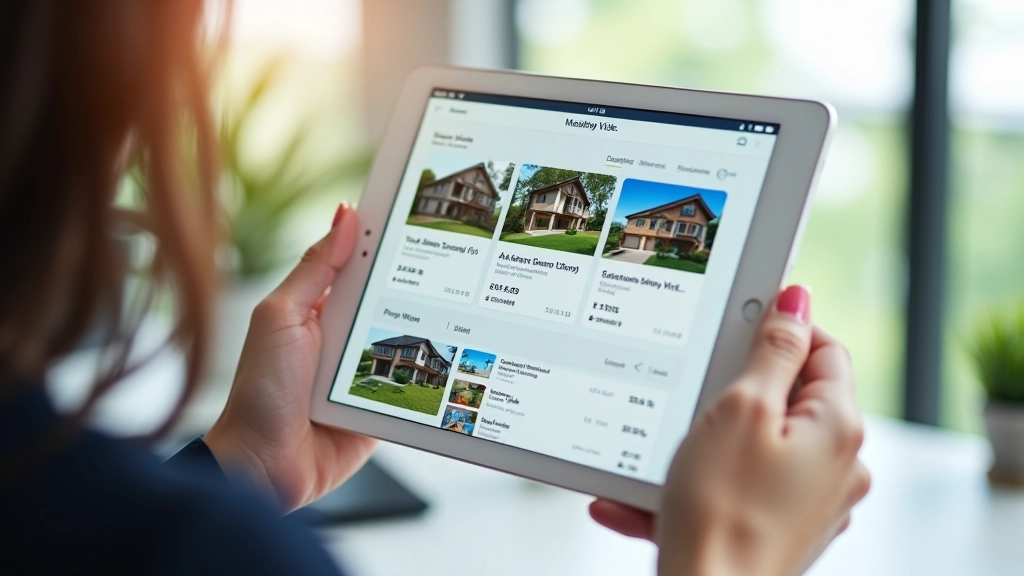
Urbanization and Housing Demand
How Malaysia’s rapid urban growth is reshaping residential costs and where demand is concentrating in key metropolitan areas.
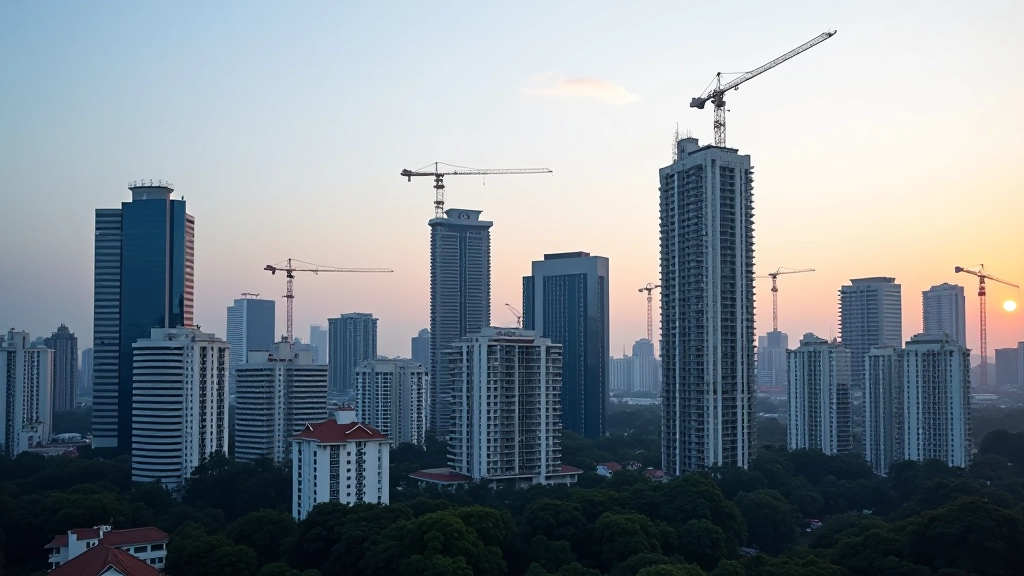
The Urban Migration Reality
Malaysia’s cities are growing fast. Really fast. Between 2010 and 2020, urban populations jumped by roughly 30%, and that momentum hasn’t slowed down. When millions of people move to the same areas, housing doesn’t just become scarce — prices follow the demand like clockwork.
But here’s the thing: understanding why this happens matters more than just knowing the numbers. It’s about recognizing patterns in where development clusters, why certain neighborhoods become expensive almost overnight, and what that means for your own housing decisions. We’ll break down the relationship between urbanization and housing costs, showing you the mechanics behind the headlines you read.
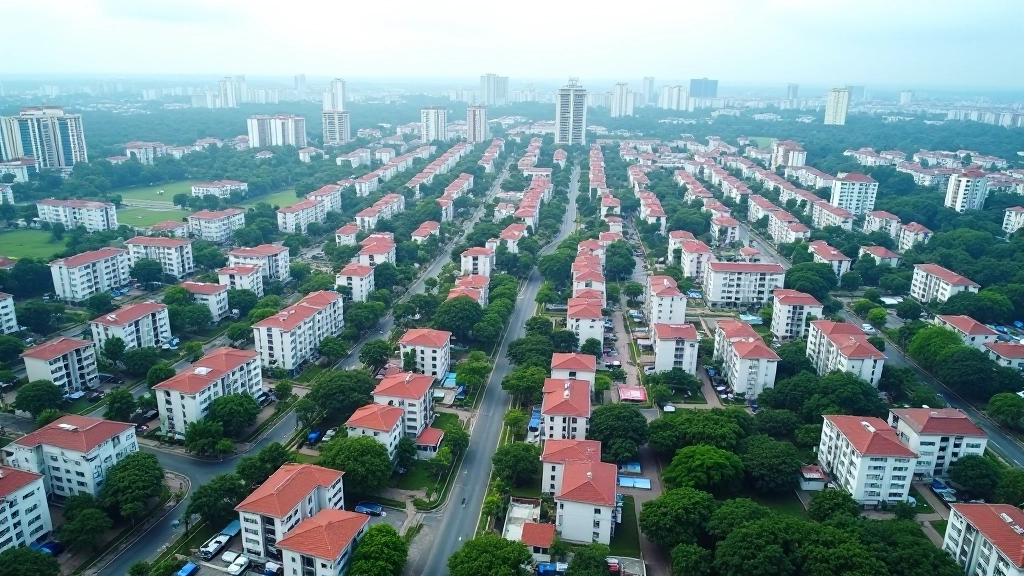
Where the Demand Concentrates
It’s not evenly distributed. That’s the critical insight. The Klang Valley alone accounts for about 35% of Malaysia’s urban population, and that concentration creates intense pressure on available housing stock. When 10 million people are competing for units in the same region, prices don’t just increase — they accelerate.
Three main zones drive this demand: Kuala Lumpur’s CBD expansion pushing outward into Petaling Jaya and Subang; Selangor’s manufacturing and service corridors drawing workers; and Penang’s tech hub growth around George Town and Bayan Lepas. These aren’t random hotspots. They’re economic centers where jobs exist, so people follow.
What you’ll notice is the ripple effect. Prices spike in the immediate areas first, then gradually increase in surrounding neighborhoods as people seek affordability. A two-bedroom unit in Petaling Jaya in 2015 cost around RM300,000. By 2024, similar units were reaching RM450,000-plus. That’s not just inflation — that’s demand compression.
Four Drivers Behind Rising Prices
Job Creation
New employment opportunities pull workers into urban centers. Manufacturing jobs in Shah Alam, finance positions in Kuala Lumpur, tech roles in Cyberjaya — these create sustained population inflows that translate directly into housing demand.
Limited Land Supply
Urban land is finite. You can’t create new land in central Kuala Lumpur or Petaling Jaya. As demand grows and buildable space shrinks, developers must build upward (condominiums, high-rises) or further out, both of which increase unit costs.
Infrastructure Investment
MRT lines, highways, and development corridors make certain areas accessible and desirable. When the Klang Valley MRT extension opens a new station, nearby property values typically jump 15-25% within 18 months as connectivity improves.
Investment Speculation
When prices rise, investors buy not to live but to resell. This artificial demand pushes prices higher still. It’s a self-reinforcing cycle — real demand meets speculative demand, and affordability becomes the casualty.
The Affordability Challenge
Here’s where urbanization creates real tension. Malaysian household incomes haven’t kept pace with property price growth. The price-to-income ratio — how many years of salary you need to buy a home — has climbed from about 4 years in 2010 to nearly 7-8 years in major cities by 2024. That’s a significant shift.
For someone earning RM3,500 monthly (roughly the median in urban areas), affording a RM400,000 property means a mortgage that consumes 50-60% of household income — far above the comfortable 30% threshold most financial advisors recommend. This isn’t sustainable for average workers, which is why government affordable housing programs like PR1MA and Rumah Mampu Milik became necessary interventions.
The irony? Urbanization creates the jobs that attract people to cities, but those same cities have become increasingly unaffordable. It’s a paradox that drives younger Malaysians to look at satellite towns, extended mortgage terms, or co-ownership arrangements just to secure a foothold in the property market.

Emerging Trends You Should Track
Decentralization Movements
Remote work is pushing people out of central cities. Kuala Lumpur’s rental prices have plateaued while secondary cities like Ipoh, Johor Bahru, and Kuching are seeing upticks. Don’t expect this to reverse completely — hybrid work is here to stay.
Mixed-Use Developments
Developers are building residential units closer to employment hubs and retail. Projects combining condos, offices, and shopping centers reduce commute times, which increases their appeal and justifies higher prices in these integrated zones.
Green Building Standards
Sustainability requirements are raising construction costs. Green-certified buildings command premiums of 5-10%, which gets passed to buyers. It’s becoming a quality marker rather than a luxury add-on.
“The relationship between urbanization and housing costs isn’t mysterious — it’s basic economics meeting geography. When 10 million people need homes in the same region, scarcity becomes the dominant force.”
— Housing Market Analysis, 2024
What This Means for You
Urbanization isn’t slowing down in Malaysia. Cities will continue growing, which means housing demand will remain strong in metropolitan areas. If you’re planning to buy or invest, understanding these patterns helps you make decisions based on fundamentals rather than hype.
The key insight: prices rise where demand clusters. Klang Valley, Penang, and Johor Bahru aren’t expensive by accident — they’re expensive because millions of people want to live and work there. Secondary cities offer alternatives, but they come with different trade-offs in job markets and lifestyle.
For those priced out of prime urban areas, affordable housing programs exist for a reason. PR1MA and Rumah Mampu Milik schemes aren’t perfect, but they’re designed to address exactly this problem — urbanization creating housing scarcity for average earners. Knowing what these programs offer could open doors you didn’t realize existed.
Important Note
This article provides educational information about housing market trends and urbanization patterns in Malaysia. It’s designed to help you understand how these factors interact and influence residential costs. Property markets vary significantly by location, and individual circumstances differ. Before making any property investment or purchase decision, consult with a qualified real estate professional, financial advisor, or legal expert who can assess your specific situation. Historical price trends don’t guarantee future performance, and market conditions can shift based on economic, policy, or regulatory changes.
Related Articles